Gummy or Capsule? What Really Changes When a Supplement Becomes a Chew
Quick Answer: Is a Gummy Worse Than a Capsule?
It is a trade. A gummy almost always carries less active ingredient, because most of its mass is gelling agent, sweetener and flavour, and because bitter compounds cap how much can be added before it becomes unpalatable. In exchange you get much better adherence, which is the single strongest predictor of whether any supplement does anything. For a low-dose nutrient the gummy is fine. For a compound dosed in hundreds of milligrams, the format is the constraint.
- Capsule advantage: more active per serving, no added sugar, better shelf stability.
- Gummy advantage: people actually take them, day after day.
- The question to ask: how many milligrams, per gummy, of the thing you are buying it for.
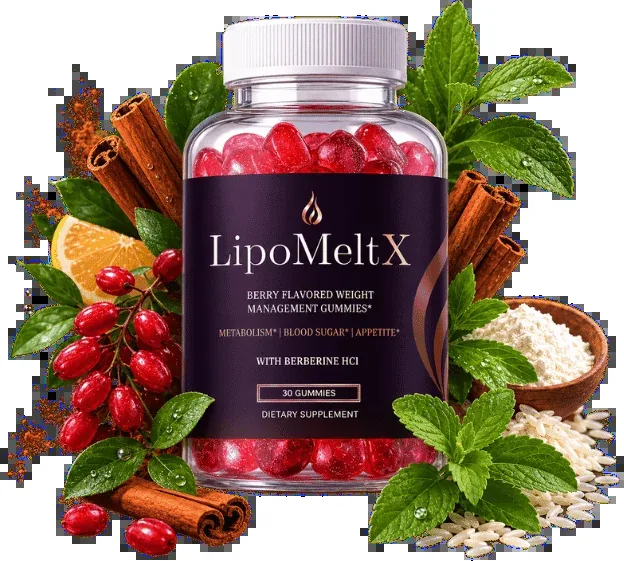
The payload problem
A supplement gummy is a confection. Pectin or gelatin, a sugar or sugar alcohol system, an acidulant, colour and flavour make up nearly all of its weight. The active ingredient rides along in whatever room is left, which is why gummy multivitamins routinely drop the minerals that are bulky — magnesium and calcium in particular — and keep the ones dosed in micrograms.
That constraint is invisible on the front of the bottle and completely visible on the Supplement Facts panel, which is a good argument for never buying a gummy whose panel you have not seen.
The adherence advantage is not trivial
It is easy to be sniffy about gummies and miss the point. Across chronic medication research, adherence is consistently poor and consistently the thing that determines outcomes; supplements are worse, because nothing bad happens visibly when you stop. A format that turns a chore into something people look forward to is a real intervention. A studied dose in a capsule that ends up in a drawer in week three delivers exactly nothing.
So the honest framing is a comparison of expected values, not of ingredient lists: a smaller dose taken 90 days out of 90, against a larger dose taken 20 days out of 90.
What differs, side by side
| Gummy | Capsule | |
|---|---|---|
| Active per serving | Usually lower, sometimes far lower | Higher; a size 0 capsule holds several hundred mg |
| Added sugar | Typically 1–3 g per gummy, or sugar alcohols | None |
| Bitter or pungent actives | Hard to mask, so often reduced | Irrelevant — swallowed whole |
| Stability | Moisture and heat sensitive; degrades faster | Generally more stable |
| Adherence | High | Lower, especially multi-dose regimens |
Sugar alcohols and the other small print
Sugar-free gummies usually reach that claim with maltitol, sorbitol, xylitol or erythritol. These are poorly absorbed by design, and in quantity they cause bloating and a laxative effect — which is why the tolerable amount is personal and why some people cannot get on with gummy supplements at all. Worth noting for a product taken every day. Xylitol is also seriously toxic to dogs, which is a genuine household hazard with a sweet, chewy product left on a counter.
The payload problem is not evenly distributed across ingredients, either. A mineral measured in micrograms, such as chromium picolinate, fits into a chew without difficulty. A bitter alkaloid dosed in hundreds of milligrams, such as berberine, whose trial dose runs to 1,000–1,500 mg a day, does not. That asymmetry is why gummy labels in this category go quiet about some ingredients and not others, and it is the thread running through our LipoMeltX ingredients and label breakdown. The same label-literacy problem shows up in other categories too — strain naming in single-strain versus multi-strain probiotics is the same argument in different vocabulary.
Three questions before you buy any gummy
- How many milligrams of the headline active, per gummy? Not per bottle, not per "serving" of three, and not inside a proprietary blend.
- How does that compare to the studies being quoted at me? If the answer is "a tenth", the evidence being cited belongs to a different product.
- How is it sweetened, and how much? Two grams of sugar a day is trivial. Six gummies a day of a "serving size 2" product is a different conversation.
Note: general information, not medical advice, and not dietary advice for anyone managing diabetes. If you are counting carbohydrate, count the gummy too.
Frequently asked questions
Is a gummy worse than a capsule?
It is a trade-off, not a straight downgrade. A gummy usually carries less active ingredient because most of its mass is gelling agent, sweetener and flavour, and bitter compounds cap how much can be added. In exchange, people take gummies far more consistently, and adherence is the strongest predictor of whether any supplement does anything. Judge the format by the dose it can actually carry.
Why do gummies contain less active ingredient?
Because a gummy is essentially a confection. Pectin or gelatin, a sugar or sugar-alcohol system, an acidulant, colour and flavour make up nearly all of its weight, so the active rides along in whatever room is left. That is why gummy multivitamins often drop bulky minerals like magnesium and calcium and keep the ones dosed in micrograms.
Are sugar-free gummies a problem?
They can be for some people. Sugar-free gummies usually rely on maltitol, sorbitol, xylitol or erythritol, which are poorly absorbed and, in quantity, can cause bloating and a laxative effect. The tolerable amount is personal. Xylitol is also seriously toxic to dogs, which is a real household hazard with a sweet, chewy product left within reach.
What should I check before buying a gummy?
Ask three things: how many milligrams of the headline active are in each gummy, not per bottle or hidden in a blend; how that compares to the doses in the studies being quoted; and how it is sweetened and how much. If the per-gummy dose is a fraction of the studied amount, the evidence being cited belongs to a different product.
Scientific references
- NIH Office of Dietary Supplements — supplement fact sheets
- US FDA — Questions and answers on dietary supplements
- ASPCA — Xylitol toxicity in dogs
- Label accuracy and quality of select weight-loss dietary supplements sold on or near US military bases — Nutrients, 2024
- NIH NCCIH — Dietary and herbal supplements
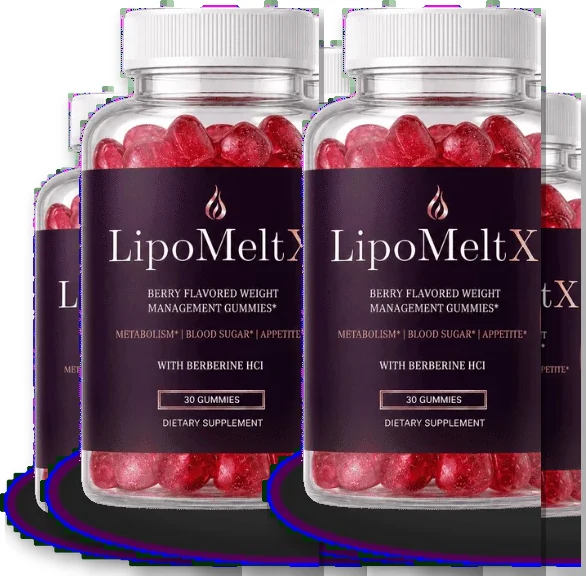
LipoMeltX is a gummy — so the dose question matters
Berberine HCl, cinnamon bark extract and chromium picolinate in a once-daily chew, with no milligram figure published for any of them. The 60-day guarantee is what the panel check is for.
Go to the Official LipoMeltX Store