Chromium Picolinate, Appetite and Weight: An Evidence Check
Quick Answer: Does Chromium Picolinate Help You Lose Weight?
Barely, and probably not in a way you would notice. Systematic reviews of chromium supplementation for weight in adults with overweight or obesity find a statistically detectable but clinically trivial difference — on the order of a kilogram or less over several months, with low confidence in the estimate. The more interesting signal is on carbohydrate craving and appetite, where some smaller trials report an effect, though the literature is thin.
- Weight: under about 1 kg average difference; reviewers describe the evidence quality as low.
- Deficiency: genuine chromium deficiency is rare in people eating a normal diet.
- Where it may matter: reported reductions in carbohydrate craving, in small studies.

Essential does not mean supplement-worthy
Chromium is an essential trace mineral: it plays a role in insulin signalling, and severe deficiency causes impaired glucose tolerance. That sentence is the whole basis of the marketing. What it leaves out is that dietary chromium deficiency is uncommon in people eating an ordinary mixed diet, and supplementing a nutrient you already have enough of usually does nothing.
This is the same logic error that sells a lot of supplements. Iron is essential and treats anaemia; taking iron when you are not anaemic does not make you more energetic. Chromium sits in exactly that position.
What the weight trials found
Chromium picolinate has been through a reasonable number of randomised trials for body weight, and reviewers who have pooled them consistently land in the same place: a small mean difference in favour of chromium, uncertain enough that they qualify it heavily, and small enough that it would be invisible on a bathroom scale against week-to-week fluctuation. Several reviews go further and question whether the effect is clinically meaningful at all.
It is worth being precise about what "statistically significant but clinically trivial" means. It means the difference is probably real and probably useless. Both halves matter — this is not a case of an ingredient being fraudulent, it is a case of an ingredient being oversold.
Forms and amounts
| Detail | What to know |
|---|---|
| Picolinate vs chloride | Picolinate is better absorbed, which is why it is the common supplement form |
| Typical supplement dose | Commonly 200–1,000 mcg per day in trials |
| Adequate Intake (adults) | Roughly 20–35 mcg/day — far below supplemental amounts |
| Upper limit | No UL has been set, because the data to set one is lacking |
The craving question
The more interesting literature is not about weight at all. A handful of small trials — several in people with atypical depression or binge-eating patterns — have reported reductions in carbohydrate craving and food intake with chromium picolinate. These studies are small, not always well replicated, and in populations that do not generalise cleanly to a person buying a gummy. But they are the reason chromium keeps appearing in appetite-control formulas rather than fat-burner ones, and it is a more defensible claim than the weight one.
How to read it on a label
Chromium almost never appears on its own. It is the third name on a panel that usually starts with berberine, whose own gummy dose is rarely printed, and continues with cinnamon bark extract. That matters for how you read it: a mineral with a small effect is a reasonable supporting ingredient and a poor headline. Our LipoMeltX ingredients and label breakdown shows how the three sit together in one formula.
Chromium is measured in micrograms, and a percentage of Daily Value is normally printed next to it. If a label gives you "Chromium (as chromium picolinate) 200 mcg — 571% DV", that is complete information and you can judge it. If a product names chromium picolinate in marketing copy and never gives a microgram figure, you are being sold the word, not the mineral.
Medical note: general information, not medical advice. Chromium can interact with insulin and other glucose-lowering medication, and people with kidney or liver disease should speak to a clinician before supplementing it.
Frequently asked questions
Does chromium picolinate help you lose weight?
Barely. Systematic reviews find a statistically detectable but clinically trivial difference, on the order of a kilogram or less over several months, with low confidence in the estimate. That is small enough to be invisible against normal week-to-week weight fluctuation. The ingredient is not fraudulent, but it is oversold as a weight-loss aid when used on its own.
Can chromium reduce carbohydrate cravings?
Possibly, and this is its more defensible claim. A handful of small trials, several in people with atypical depression or binge-eating patterns, reported reductions in carbohydrate craving and food intake with chromium picolinate. These studies are small, not always replicated, and in populations that do not generalise cleanly, so treat the craving effect as plausible but unproven for the average person.
Do I need to supplement chromium at all?
Most people do not. Chromium is an essential trace mineral, but genuine dietary deficiency is uncommon in anyone eating an ordinary mixed diet, and supplementing a nutrient you already have enough of usually does nothing. The Adequate Intake for adults is roughly 20 to 35 micrograms a day, far below the amounts commonly sold in supplements.
How should I read chromium on a supplement label?
Chromium is measured in micrograms, usually with a percentage of Daily Value beside it. A line such as chromium (as chromium picolinate) 200 mcg, 571% DV is complete information you can judge. If a product names chromium picolinate in its marketing but never prints a microgram figure, you are being sold the word rather than a disclosed dose.
Scientific references
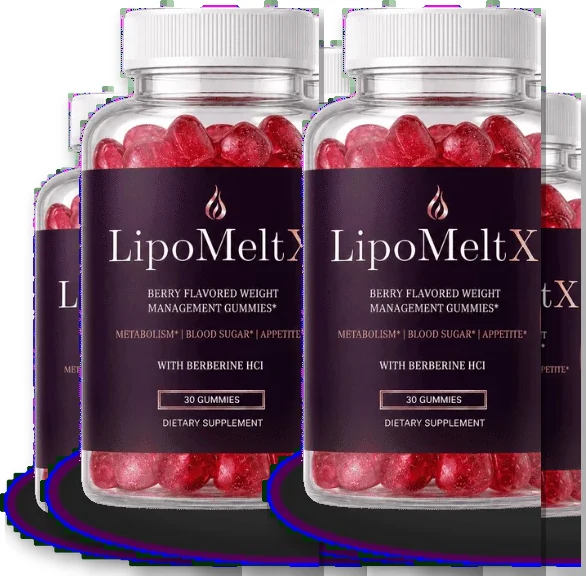
Chromium is the third active in LipoMeltX
It sits alongside berberine and cinnamon in a once-daily berry gummy, and the manufacturer discloses a microgram figure for none of them. The 60-day guarantee is what makes reading the delivered panel a low-risk exercise.
Go to the Official LipoMeltX Store