Cinnamon Bark Extract and Blood Sugar: A Careful Read
Quick Answer: Does Cinnamon Do Anything for Blood Sugar?
A little, inconsistently. Pooled analyses of randomised trials generally find a small reduction in fasting blood glucose with cinnamon supplementation, with the effect on HbA1c much weaker and often not statistically significant. Heterogeneity between trials is high: different species, different extracts, different doses, different populations. It is a reasonable supporting ingredient and a poor headline one.
- Most consistent finding: a modest drop in fasting glucose.
- Weakest finding: HbA1c, where results are mixed at best.
- Safety detail that matters: cassia cinnamon contains coumarin; Ceylon contains far less.
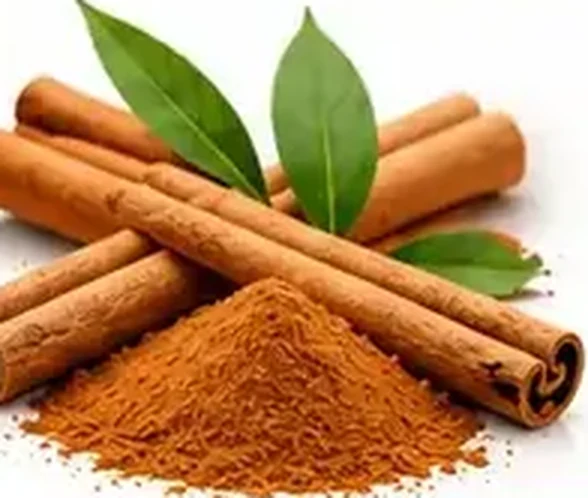
Two different plants, one word
Almost everything sold as cinnamon in North America is cassia — Cinnamomum cassia or a close relative. Ceylon cinnamon, Cinnamomum verum, is a different species, milder in flavour and considerably more expensive. Most supplement trials used cassia, which matters, because cassia contains coumarin and Ceylon contains only traces of it.
Coumarin is hepatotoxic at sufficient intake, which is why European food-safety bodies publish a tolerable daily intake for it. Nobody is claiming a supplement gummy will damage your liver, but it is the reason a label that says which cinnamon it uses is a better label than one that says "cinnamon bark extract" and stops.
What the pooled data actually says
Meta-analyses of cinnamon supplementation in type 2 diabetes and metabolic syndrome have been published repeatedly over the last fifteen years, and they broadly agree on shape if not on size: fasting plasma glucose comes down a little, and the confidence intervals are wide. HbA1c — the three-month average that clinicians actually care about — moves less, and several analyses find no significant effect at all.
The wide variation is not a mystery. Trials have used anywhere from 120 mg to 6 g a day, whole powder in some cases and aqueous extract in others, over periods from four weeks to four months, in people ranging from healthy volunteers to poorly controlled diabetics. Pooling that produces an average that describes no individual study very well.
Where cinnamon sits against the alternatives
| Ingredient | Strength of glucose evidence |
|---|---|
| Berberine | Strongest of the common botanicals; consistent across trials at 1,000–1,500 mg/day |
| Cinnamon (cassia) | Small, inconsistent effect on fasting glucose; little on HbA1c |
| Chromium picolinate | Little to nothing in people who are not deficient |
| Apple cider vinegar | Small post-meal glucose effect in short trials; tiny study sizes |
Why it still appears in almost every formula
Three reasons, only one of which is about efficacy. It is cheap. It is familiar — customers recognise cinnamon as a blood-sugar herb without being told. And it has just enough published signal that including it is defensible. A blend that pairs a well-evidenced active with cinnamon is a sensible piece of formulation; a product that leads with cinnamon is leaning on the weakest leg it has.
What to look for on a label
Cinnamon is almost always a supporting name rather than a headline one. On a metabolism gummy it usually sits between berberine, whose gummy dose is rarely printed either, and chromium picolinate, whose measured weight effect is very small. Reading one silent number is frustrating; reading three is the normal experience of this category, and our LipoMeltX ingredients and label breakdown is what that looks like in practice.
- The species. "Ceylon" or Cinnamomum verum named explicitly, or cassia named honestly. Silence usually means cassia.
- The extract ratio. A 10:1 extract at 100 mg is not the same as 100 mg of powdered bark, and the two are routinely presented as if they were.
- A number at all. Cinnamon inside an undisclosed proprietary blend tells you nothing.
Medical note: general information, not medical advice. If you take glucose-lowering medication, adding any ingredient that also lowers glucose is a conversation to have with your prescriber first. People with liver conditions should be particularly careful with high-dose cassia cinnamon.
Frequently asked questions
Does cinnamon actually lower blood sugar?
Modestly and inconsistently. Pooled analyses of randomised trials tend to find a small reduction in fasting blood glucose with cinnamon supplementation, while the effect on HbA1c, the longer-term marker, is weaker and often not statistically significant. Results vary widely between studies because of different species, extracts and doses. It is a reasonable supporting ingredient rather than a primary one.
What is the difference between cassia and Ceylon cinnamon?
They are two different plants sold under one word. Most supplements, and most trials, use cassia, which is cheaper and contains meaningful amounts of coumarin. Ceylon cinnamon is milder, more expensive and carries only traces of coumarin. A label that names its species is more informative than one that simply says cinnamon bark extract and stops there.
Is a daily cinnamon supplement safe?
For most people, culinary and typical supplement amounts are well tolerated. The main caution is coumarin in cassia cinnamon, which is why food-safety bodies publish a tolerable daily intake for it. If you take glucose-lowering medication or have a liver condition, speak with your prescriber before adding a daily cinnamon supplement, since it may add to effects you are already managing.
How much cinnamon did the studies use?
A very wide range, from roughly 120 mg of concentrated extract to several grams of whole powder per day, over periods from four weeks to four months. That spread is one reason the results differ so much between trials. On a label, check the species, the extract ratio, and whether an actual milligram figure is given rather than hidden inside a proprietary blend.
Scientific references
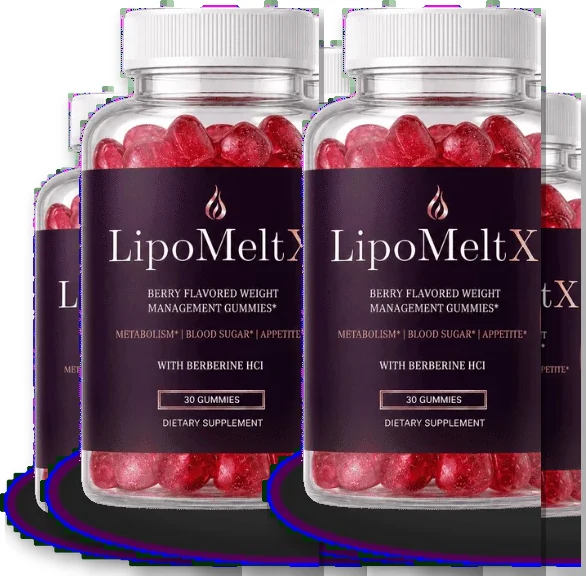
Cinnamon is one of three actives in LipoMeltX
The other two are berberine HCl and chromium picolinate, and the sales copy names ingredients that never appear on the manufacturer's panel. The 60-day guarantee is what lets you check the delivered bottle.
Go to the Official LipoMeltX Store