Who Shouldn't Take LipoMeltX: Pregnancy, Diabetes Medication and Other Cautions
Quick Answer: Who Should Skip LipoMeltX?
LipoMeltX's own FAQ tells buyers to inform their doctor before starting, specifically naming blood pressure medication, Metformin and antidepressants. That is the seller's own signal that this is not a universally safe product, and the ingredient-level research behind berberine, cinnamon and chromium picolinate gives that caution real substance. The clearest exclusion groups are pregnancy and breastfeeding, anyone on glucose-lowering or blood-pressure medication, anyone on immunosuppressants, and anyone with liver or kidney disease.
- Pregnancy/breastfeeding: berberine is specifically not recommended.
- Diabetes medication: additive blood-sugar lowering risk from berberine and chromium.
- Blood pressure medication: flagged directly in LipoMeltX's own FAQ.
- Immunosuppressants: berberine can raise blood levels of drugs like tacrolimus.

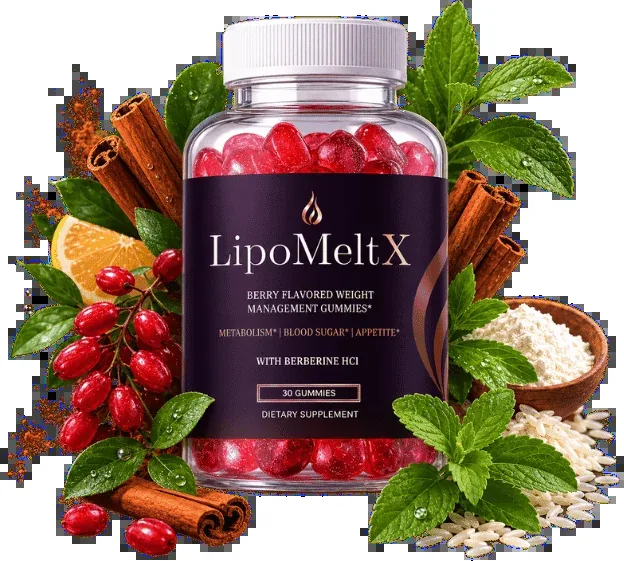
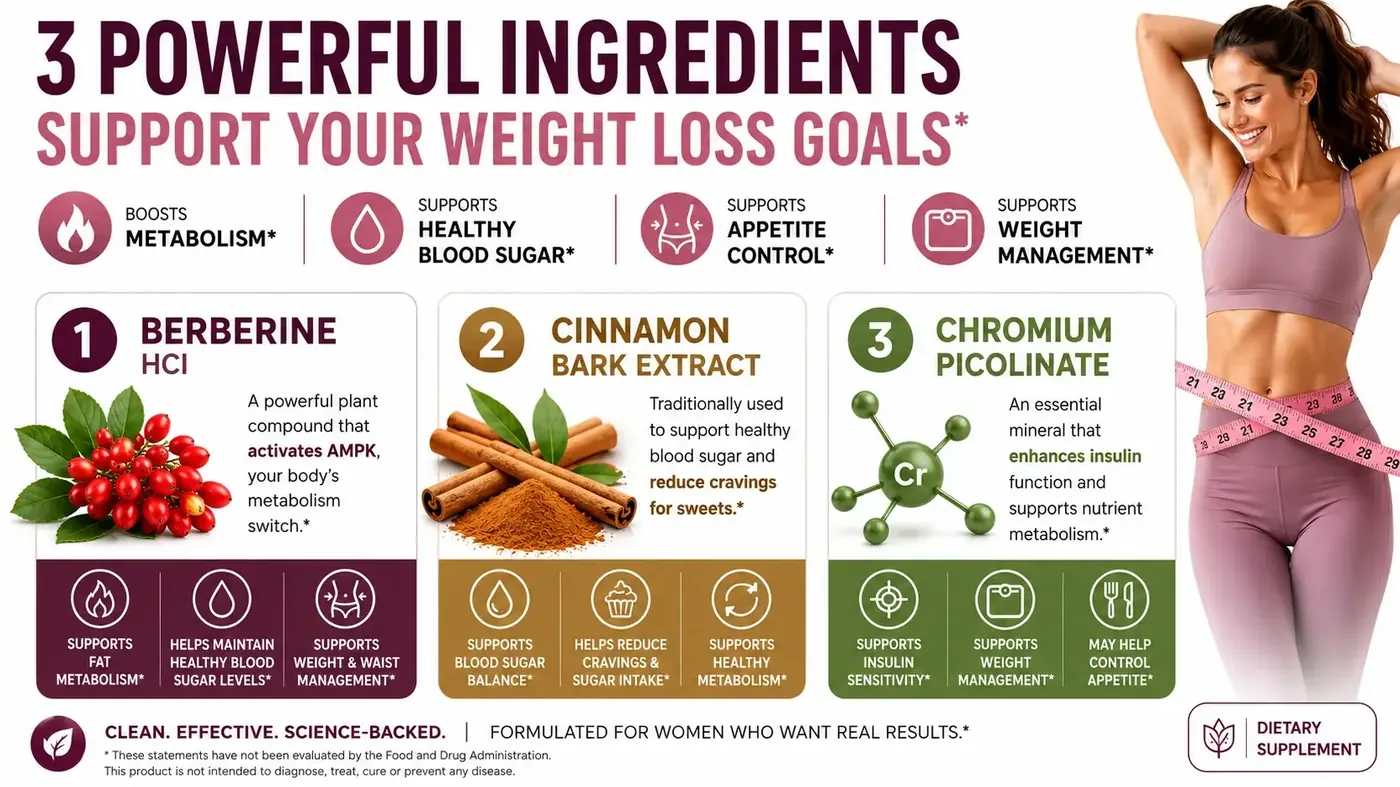
Most supplement marketing is built around who a product is for. This article deliberately does the opposite: who it is not for, and why. LipoMeltX names three active ingredients on its sales page — Berberine HCl, Cinnamon Bark Extract and Chromium Picolinate — and the seller's own FAQ instructs buyers to inform their doctor before starting, specifically mentioning blood pressure medication, Metformin and antidepressants. That single line is a useful starting point, because it tells you the seller is aware this formula is not risk-free for everyone. What follows expands that one-line caution into specific populations, grounded in the published research on each named ingredient rather than in general boilerplate.
One point applies across every section below: because LipoMeltX prints no milligram or microgram amount for any of its three ingredients, none of these cautions can be scaled down by "well, it's probably a small amount." A caution based on mechanism — how an ingredient interacts with a drug pathway or a physiological state — does not require a large dose to be worth taking seriously, and an unknown dose cannot be assumed to be a negligible one.
Pregnancy and Breastfeeding
This is the clearest exclusion. Berberine is specifically not recommended during pregnancy or while breastfeeding. The bulk of clinical research on berberine has been conducted in non-pregnant adults with metabolic conditions such as type 2 diabetes and dyslipidaemia; even research into berberine's use in reproductive-age women with polycystic ovary syndrome, which does touch on hormonal and metabolic outcomes, is conducted in the context of managing PCOS, not of pregnancy itself, and a systematic review of that literature evaluated metabolic and reproductive endpoints rather than pregnancy safety (Xie et al., Evidence-Based Complementary and Alternative Medicine, 2019). No published research establishes berberine, cinnamon bark extract or chromium picolinate — alone or as combined in this product — as safe for a developing pregnancy or a nursing infant, and LipoMeltX itself has never been studied in pregnant or breastfeeding people. The honest, conservative position is straightforward: avoid it during pregnancy and breastfeeding, and this holds regardless of what dose the gummy ultimately turns out to contain.
Diabetes and Blood-Sugar Medication
This is the interaction LipoMeltX's own FAQ names directly, by telling buyers taking Metformin to check with their doctor first. The mechanism is straightforward and well documented: berberine lowers blood glucose through effects on AMPK signalling and insulin sensitivity, and chromium picolinate is marketed on a similar blood-sugar rationale. Taken alongside insulin, metformin, sulfonylureas or other glucose-lowering medications, the concern is additive lowering of blood sugar — in other words, a higher risk of hypoglycaemia than either the medication or the supplement would produce alone. A meta-analysis of berberine trials found consistent glucose-lowering effects across pooled studies in people with type 2 diabetes, which is the same mechanism that makes stacking it on top of prescribed glucose-lowering therapy a genuine, not theoretical, caution (Lan et al., Journal of Ethnopharmacology, 2015). Cinnamon adds a smaller version of the same concern: pooled trial data shows a modest fasting-glucose-lowering effect for cinnamon as well (Allen et al., Annals of Family Medicine, 2013), which is a second ingredient nudging in the same direction as prescribed medication rather than a neutral bystander.
None of this means berberine or chromium are dangerous for people managing diabetes — in fact, part of why they are studied is precisely because of this glucose-lowering effect. It means combining them with prescribed glucose-lowering medication needs a clinician's input on dose and monitoring, not silence. Anyone on any blood-sugar medication should treat "inform your doctor" as the operative instruction, not a formality to skip.
Blood Pressure Medication
LipoMeltX's FAQ also names blood pressure medication as a reason to check with a doctor first, and the underlying research supports that caution being taken seriously rather than treated as generic legal boilerplate. Berberine has documented blood-pressure-lowering effects in the same pooled trial evidence covering diabetes and lipids (Lan et al., 2015), meaning it can compound the effect of antihypertensive medication in the same additive way described above for blood sugar. People on ACE inhibitors, beta-blockers, calcium channel blockers or diuretics who are considering LipoMeltX should raise it with their prescriber, particularly if they experience light-headedness, dizziness or unusually low readings after starting.
Immunosuppressant Medication
This is a narrower but important caution that goes beyond blood sugar and blood pressure. Berberine inhibits the CYP3A4 enzyme and the P-glycoprotein transporter, two of the body's principal routes for clearing many prescription drugs. A published review of herb interactions with the immunosuppressant tacrolimus specifically identifies berberine, alongside compounds like grapefruit juice and turmeric, as increasing tacrolimus bioavailability in human and animal studies through inhibition of that same CYP450/P-glycoprotein system (Abushammala, Pharmazie, 2021). Tacrolimus has a narrow therapeutic index, meaning the difference between an effective level and a toxic one is small; raising its blood level unintentionally is a genuine safety concern, not a minor one. Anyone on tacrolimus, ciclosporin or a similar immunosuppressant — commonly people who have had an organ transplant or manage certain autoimmune conditions — should not add LipoMeltX without their transplant team or prescribing physician weighing in first.

Liver or Kidney Conditions
Concentrated botanical extracts and minerals place additional processing demand on the liver and kidneys. Cinnamon bark extract raises a specific, unresolved question here: cassia cinnamon contains coumarin, a compound associated with liver effects at high chronic intakes, and Ceylon cinnamon contains very little of it. The LipoMeltX label does not state which species its extract uses, which means anyone with pre-existing liver disease has no way to judge coumarin exposure from the label alone. On the mineral side, national health authorities note that while chromium is generally well tolerated, isolated case reports have linked high-dose chromium picolinate supplementation to kidney and liver problems (NIH Office of Dietary Supplements). Anyone managing liver or kidney disease should treat both of these as reasons for a clinician conversation before starting, not reasons for alarm on their own.
Children, Teenagers and a Few Other Groups
LipoMeltX is formulated and marketed for adults; none of the underlying research on berberine, cinnamon bark extract or chromium picolinate covered here involves children or teenagers, and there is no paediatric dosing guidance for this product. Two smaller groups are worth naming as well: anyone scheduled for surgery, since supplements are generally advised to be stopped in advance of a procedure and an anaesthetist should know what you take; and anyone on antidepressants, which LipoMeltX's own FAQ flags alongside blood pressure medication and Metformin, though the specific interaction mechanism there is less well characterised in the published literature than the glucose and CYP450 pathways above.
Having the Conversation, Not Just Reading About It
Most of the caution above resolves with one short conversation rather than an ongoing research project. If you fall into any of the groups described here, the practical move is to bring the LipoMeltX label — or a screenshot of the official sales page's ingredient graphic, since there is no printed panel to photograph — to a pharmacist or your prescribing doctor and ask directly whether it is safe alongside what you currently take. A pharmacist in particular can check for interactions in a couple of minutes at the counter, no appointment required, and that check is free. This is a more reliable path than searching for anecdotal reassurance online, because a pharmacist is working from your actual medication list rather than from a general article like this one.
It is also worth being specific about what "informing your doctor" should actually cover: the full list of what you currently take, including over-the-counter medication and other supplements, not just prescriptions; any planned surgery in the near future; whether you are trying to conceive, pregnant, or breastfeeding; and any diagnosed liver, kidney or cardiovascular condition. A vague mention of "I'm thinking about a weight-loss gummy" gives a clinician very little to work with; naming berberine, cinnamon bark extract and chromium picolinate specifically, and noting that no dose is printed on the label, gives them what they actually need to make a judgment call.
Medical note: this article is general information, not medical advice, and does not diagnose, treat, cure or prevent any condition. If you are pregnant or nursing, take any prescription medication, or manage a chronic condition, speak with a doctor or pharmacist before starting LipoMeltX or any similar supplement.
Frequently asked questions
Is LipoMeltX safe during pregnancy or breastfeeding?
It should be avoided. Berberine, LipoMeltX's lead ingredient, is specifically not recommended in pregnancy or while breastfeeding; safety research on berberine has mainly involved non-pregnant adults, and the ingredient has not been established as safe for a developing pregnancy. LipoMeltX itself has not been studied in pregnant or nursing people, so this caution applies regardless of dose.
Can I take LipoMeltX if I'm on medication for diabetes or blood sugar?
Not without talking to your prescriber first. Berberine and chromium picolinate can both lower blood glucose, and taking either alongside insulin, metformin, sulfonylureas or other glucose-lowering drugs raises the risk of additive blood-sugar lowering and hypoglycaemia. LipoMeltX's own FAQ tells buyers to inform their doctor before starting if they take Metformin, which is a direct acknowledgment of this interaction risk.
Does LipoMeltX interact with blood pressure medication?
It can. LipoMeltX's FAQ specifically flags blood pressure medication as a reason to check with a doctor first, consistent with published evidence that berberine can lower blood pressure and interacts with the drug-clearance pathways several cardiovascular medications rely on.
What other groups should be cautious with LipoMeltX?
Anyone taking immunosuppressant medication, since berberine has been shown to raise blood levels of drugs such as tacrolimus by inhibiting the enzymes and transporters that clear them; anyone with liver or kidney disease; anyone on antidepressants, which the site's own FAQ also flags; and children or teenagers, since none of the three named ingredients have been studied in this product at a paediatric level.
Keep reading on the LipoMeltX blog
Scientific references
- Meta-analysis of the effect and safety of berberine in the treatment of type 2 diabetes mellitus, hyperlipemia and hypertension — Lan J, et al., Journal of Ethnopharmacology, 2015 (PMID 25498346)
- Cinnamon use in type 2 diabetes: an updated systematic review and meta-analysis — Allen RW, et al., Annals of Family Medicine, 2013 (PMID 24019277)
- Tacrolimus and herbs interactions: a review — Abushammala I, Pharmazie, 2021 (PMID 34620272)
- The Effect of Berberine on Reproduction and Metabolism in Women with Polycystic Ovary Syndrome: A Systematic Review and Meta-Analysis of Randomized Control Trials — Xie L, et al., Evidence-Based Complementary and Alternative Medicine, 2019 (PMID 31915452)
- LiverTox — Berberine, National Institute of Diabetes and Digestive and Kidney Diseases
- NIH Office of Dietary Supplements — Chromium fact sheet for health professionals
Not in a caution group? Read the label, then decide
For a healthy adult not on the medications above and not pregnant or nursing, a labelled serving is a lower-risk trial — the same 60-day window applies regardless.
Order LipoMeltX