Green Tea Extract Weight Loss: What the Fat-Burning Studies Show
Does green tea extract really help with weight loss?
Green tea extract may modestly support weight loss, not drive it. Its EGCG and caffeine can nudge thermogenesis and fat oxidation, but randomized trials show small, dose-dependent effects measured in a few pounds. It works best paired with a calorie deficit and movement, and it is a supporting lever rather than an engine.
- Mechanism: EGCG plus caffeine mildly raise energy expenditure and fat oxidation.
- Effect size: small and dose-dependent, typically a few pounds over two to three months.
- Cautions: high-dose extracts carry rare liver warnings, and sensitive users may feel jittery.
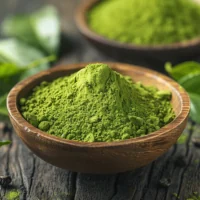
Almost every fat-burner on the shelf lists green tea somewhere on the label, and for once the marketing points at something real. Green tea extract weight loss claims are not pulled from thin air: there is a genuine, decades-deep body of human research behind them. The catch is that the research says something quieter than the packaging does. The effect is real, repeatable in the right conditions, and small — a helpful nudge rather than the engine of fat loss.
This article walks through what green tea extract actually does inside the body, what randomized controlled trials measured when they tested it, how much of the active compound you realistically need, and where the honest limits and safety cautions sit. It is the same lens we apply to every botanical on this site, including the ones LipoMeltX actually uses.
The two compounds doing the work: EGCG and caffeine
Green tea's reputation rests on a family of plant compounds called catechins, and the star of that family is epigallocatechin gallate, mercifully shortened to EGCG. EGCG is a polyphenol that appears to slow the enzyme that breaks down noradrenaline, a signalling molecule that tells fat cells to release stored energy. Leave noradrenaline circulating a little longer and the body spends a little more time in fat-mobilising mode. That is the mechanism in one sentence.
Caffeine is the second half of the pairing, and it is not an accident that the two travel together. Caffeine independently raises resting energy expenditure and stimulates the same fat-releasing pathway. When researchers test EGCG and caffeine side by side, the combination consistently outperforms either one alone — they appear to be synergistic, each amplifying the other's effect on thermogenesis and fat oxidation.
Two words are worth defining because they get thrown around loosely on sales pages. Thermogenesis simply means heat production, which is a proxy for how many calories your body burns at rest. Fat oxidation means the proportion of that energy your body draws from fat rather than carbohydrate. Green tea extract appears to tick both up slightly. Neither, on its own, guarantees the scale moves; they only tilt the underlying arithmetic.
What the green tea extract weight loss studies found
Here is where honesty earns its keep. The metabolic research on green tea catechins is broadly positive but modest, and the size of the effect is the entire story.
Short metabolic studies in labs have repeatedly shown that a dose of EGCG plus caffeine can raise 24-hour energy expenditure by roughly three to four percent and increase fat oxidation over the following hours. For a person burning 2,000 calories a day, three to four percent is somewhere around 60 to 80 extra calories — real, but roughly a brisk fifteen-minute walk, not a transformation.
Longer weight-loss trials, running eight to twelve weeks, tend to land in the same neighbourhood: green tea groups often lose a little more weight and waist circumference than placebo groups, but the gap is usually a matter of one to three pounds, and several well-run trials find no significant difference at all. Meta-analyses that pool many studies generally report a small average benefit with wide variation between studies — the statistical fingerprint of a genuine but weak effect.
| What was measured | How the evidence looks | What it does not mean |
|---|---|---|
| Resting energy expenditure | A repeatable small rise (~3–4%) with EGCG plus caffeine | Not a licence to eat more; the surplus is easily out-eaten |
| Fat oxidation during exercise | Modest increase in the share of energy drawn from fat | Does not equal guaranteed fat loss without a calorie deficit |
| Weight over 8–12 weeks | Small average edge over placebo; several trials show none | Not a stand-alone weight-loss method |
| Effect size overall | Real, dose-dependent, and modest | Nowhere near prescription weight-loss medication |
Two honest caveats belong beside that table. First, results are stronger in people who are not habitual heavy coffee drinkers — if you already drink four cups of coffee a day, the caffeine component has less new ground to gain. Second, ethnic and genetic differences in how people metabolise catechins mean the same dose behaves differently in different bodies. This is a supplement that helps at the margins for some people, and barely registers for others.
How much EGCG you actually need
The single most useful skill when reading a green tea label is ignoring the big number and finding the small one. A product can advertise “500 mg green tea extract” and still contain very little EGCG, because extracts vary enormously in how concentrated they are. The number that predicts an effect is milligrams of EGCG, and most trials that reported a benefit used somewhere between 250 mg and 500 mg of EGCG per day, typically split across the day and paired with caffeine.
Below roughly 250 mg of EGCG the metabolic signal becomes hard to detect in studies. Above it, more is not better in any reliable way — the dose-response curve flattens, and the main thing that climbs is the risk of side effects. Regulators in Europe have flagged that daily EGCG intakes at or above 800 mg from concentrated supplements are where liver-safety signals begin to cluster, which is a good practical ceiling to stay well beneath.
Consistency does more work than any single serving. The metabolic nudge is small each day, so it only adds up if it is repeated across weeks while the rest of your routine holds a calorie deficit. A perfect dose taken sporadically will do nothing a scale can measure. If you want to see how green tea sits alongside the other actives in a formula, our full LipoMeltX ingredient label breakdown lays out where each compound fits and what dose disclosure to expect.
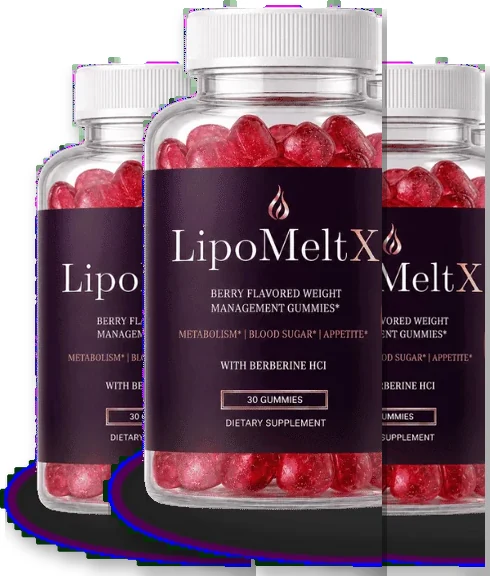
Want green tea catechins in a once-daily berry gummy?
LipoMeltX takes a different route to the same goal: one daily berry gummy built on berberine, cinnamon and chromium rather than catechins. Bundles, current pricing and the money-back guarantee are listed only on the official store.
Check Availability on the Official StoreWhere green tea sits next to LipoMeltX
To be accurate about it: LipoMeltX does not contain green tea extract. Its manufacturer's ingredient graphic names three actives and only three — Berberine HCl, cinnamon bark extract and chromium picolinate — so anyone comparing the two is comparing a catechin-and-caffeine mechanism with a glucose-handling one. Green tea is the better-studied thermogenic; berberine is the better-studied glucose ingredient. Neither is a shortcut, and the full formula picture is in our LipoMeltX ingredients and label breakdown.
That positioning matters because it sets expectations you can actually meet. If you buy any green-tea-containing product expecting it to melt fat while you change nothing else, you will be disappointed — and you will probably quit before the slow, real effect has a chance to accumulate. If you buy it as one small lever inside a routine you are already improving, it is doing exactly the job the evidence supports. For the other side of the metabolic ledger, our review of what the Garcinia Cambogia HCA appetite trials say covers the appetite-support angle that green tea does not really address.
Three common myths, answered honestly
Myth 1: “Green tea extract burns fat on its own.” It does not. It raises the rate at which your body uses energy by a few percent. If you eat back that surplus — and a few percent is a very small amount of food — net fat loss is zero. The extract tilts the equation; your diet still writes it.
Myth 2: “More is stronger, so mega-doses work faster.” The dose-response curve flattens above roughly 500 mg of EGCG, and the liver-safety concern rises with high-dose concentrated extracts taken on an empty stomach. More milligrams past the effective range buys risk, not results.
Myth 3: “It is just tea, so it is effect-free and consequence-free.” Concentrated extracts are a different proposition from a brewed cup. The catechin dose is far higher, and so is the caffeine in most products, which is why some people feel jittery or notice a faster heartbeat. Respecting the extract as an active ingredient is the sensible stance in both directions.
Safety: caffeine sensitivity and the liver question
For most healthy adults, green tea extract at moderate, label-directed doses is well tolerated. The two areas worth genuine attention are caffeine load and, rarely, the liver.
On caffeine: most green tea extracts retain caffeine unless they are explicitly decaffeinated. Stacked on top of coffee, energy drinks and other supplements, the total can creep higher than you realise, and the result is the familiar cluster of jitteriness, anxiety, a faster heartbeat, and disrupted sleep if taken late in the day. Sensitive users, and anyone managing blood pressure, should track their total daily caffeine rather than each source in isolation.
On the liver: this is a rare but documented concern with concentrated high-dose green tea extracts, distinct from ordinary tea drinking. National liver-injury registries include a small number of cases linked to supplemental extracts, more often when taken fasted and at high doses. The practical playbook is simple: take it with food, stay within the label dose, avoid stacking multiple high-dose green tea products, and stop and seek advice if you notice dark urine, persistent nausea, abdominal pain or any yellowing of the skin or eyes. If you have an existing liver condition, clear it with a doctor first. We keep a plain-language rundown of what to monitor in our guide to the LipoMeltX side effects worth knowing.
Medical note: this article is general information, not medical advice. Dietary supplements are not intended to diagnose, treat, cure or prevent any disease. Speak with a doctor or pharmacist before starting green tea extract if you take prescription medication, manage blood pressure, are caffeine-sensitive, have a liver condition, or are pregnant or nursing.
The bottom line on green tea extract and weight loss
Green tea extract is one of the few fat-burner ingredients with a real mechanism and real human data behind it, and it is also one of the most oversold. Hold both facts at once. EGCG and caffeine genuinely raise thermogenesis and fat oxidation by a few percent; that few percent is small, dose-dependent, and only compounds into visible change when it rides on top of a calorie deficit maintained over months. Chase the effective EGCG dose rather than the big “extract” number, respect the caffeine and rare liver cautions, and treat it as a supporting lever rather than the engine of a diet.
Frequently asked questions
Does green tea extract really burn fat?
It can raise fat oxidation slightly, but the phrase burn fat overstates it. Human trials link EGCG plus caffeine to a small rise in the calories and fat your body uses, on the order of a few percent. That nudges the math in your favour over months of a calorie deficit; it does not melt fat on its own or work without the rest of your routine.
How much EGCG is needed for weight loss?
Most positive studies used roughly 250 to 500 mg of EGCG per day, usually alongside caffeine, taken consistently for eight to twelve weeks. Below that range effects are hard to detect, and pushing far above it mainly raises the risk of side effects rather than results. Dose and consistency matter far more than any single big serving.
Is green tea extract safe for your liver?
For most people at moderate doses it is well tolerated, but concentrated high-dose extracts have been linked to rare cases of liver injury, especially when taken on an empty stomach. Taking it with food, staying within label doses, and stopping if you notice dark urine, persistent nausea or yellowing skin are sensible precautions. Ask a doctor first if you have any liver condition.
Does green tea extract have caffeine?
Usually yes, unless it is specifically labelled decaffeinated. Caffeine is part of why the extract nudges metabolism, and it also explains the jittery feeling or faster heartbeat some sensitive users report. If you are caffeine-sensitive, check the label, avoid taking it late in the day, and count it toward your total daily caffeine from coffee, tea and other supplements.
Scientific references
- NIH Office of Dietary Supplements — Green tea and dietary supplements overview
- NIH LiverTox — Green tea extract and hepatic safety
- The effects of green tea on weight loss and weight maintenance: a meta-analysis — International Journal of Obesity, 2009
- NIH NCCIH — Green tea: what the science says
- EFSA — Scientific opinion on the safety of green tea catechins
Related reading
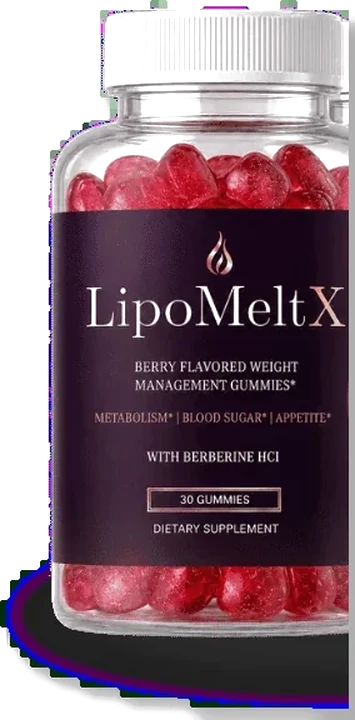
Where to buy LipoMeltX gummies
If a once-daily berberine gummy is what you were after rather than a loose catechin extract, order from the official LipoMeltX store — the only channel where the current price, bundle options and money-back guarantee are honoured.
Go to the Official LipoMeltX Store