Natural GLP-1 Boosters vs Ozempic: What Actually Compares
Search natural GLP-1 boosters today and you hit a wall of pages promising the results of Ozempic without the prescription, the needle or the price tag. It is a seductive pitch, and it is mostly too good to be true. The GLP-1 pathway is real, the plant compounds that touch it are real, and the appetite science behind both is genuinely interesting. What gets lost in the marketing is the size of the gap between a food-derived supplement and a potent injectable drug. This guide walks through how GLP-1 works, what natural boosters can honestly do, where they plainly fall short, and how to think about the whole category without being sold a fantasy.
Quick Answer: Do Natural GLP-1 Boosters Match Ozempic?
Natural GLP-1 boosters such as berberine can gently raise your own GLP-1 signalling and modestly curb appetite, but they do not match Ozempic. Prescription semaglutide suppresses appetite far more powerfully and drives much larger weight loss. Treat natural options as daily support for diet and movement, never as a needle-free replacement for medical care.
- The upside: berberine studies suggest roughly a 32% rise in GLP-1 activity and a few pounds of loss over months.
- The gap: appetite suppression lands near 25% for natural options versus about 47% for semaglutide.
- The honest rule: no supplement matches Ozempic; the smart role is support alongside — not instead of — medical care.
What GLP-1 actually does in your body
GLP-1 stands for glucagon-like peptide-1, a hormone your gut releases after you eat. It is one of the body's own appetite managers, and it works on several fronts at once. It signals the pancreas to release insulin when blood sugar rises, it slows the rate at which the stomach empties so a meal sits with you longer, and it acts on the brain's appetite centres to reduce the drive to keep eating. When that system is humming, you feel full sooner, you stay full longer, and the post-meal blood-sugar spike is blunted.
Prescription drugs like Ozempic did not invent this pathway; they hijacked it. Semaglutide, the active ingredient, is a GLP-1 receptor agonist — a synthetic molecule engineered to look enough like natural GLP-1 to switch on the same receptors, but modified so the body cannot break it down for days. Your own GLP-1 lasts a couple of minutes before enzymes clear it. Semaglutide lasts about a week. That single difference — a fleeting natural signal versus a relentless synthetic one — is most of the story behind why the drug is so powerful and why a gentle supplement cannot copy it.
Understanding this is the key to reading every "natural Ozempic" headline with the scepticism it deserves. The pathway can be nudged by food and by certain plant compounds. It cannot be pinned wide open for a week by anything you can buy without a prescription.
How natural GLP-1 boosters try to nudge the same pathway
The natural GLP-1 boosters worth taking seriously do not pretend to be drugs. Instead they lean on the fact that your gut releases more GLP-1 in response to certain foods and compounds. The honest mechanism is "encourage your own hormone" rather than "replace it".
The most researched of these is berberine, a plant alkaloid extracted from barberry, goldenseal and related botanicals. In laboratory and small human studies, berberine appears to increase GLP-1 secretion and improve how cells respond to insulin, which is why it turns up in so many metabolic formulas. Alongside it sit the quieter, less glamorous options: soluble fibre from oats, psyllium and legumes ferments in the colon and prompts GLP-1 release; adequate protein at a meal triggers a stronger satiety response than carbohydrate alone; and polyphenols from foods like green tea and coffee have shown modest signals in the same direction.
None of this is fringe. It is ordinary nutritional physiology. The problem is not that natural GLP-1 boosters do nothing — it is that the marketing quietly implies they do as much as the drug, and that is where the honesty runs out.

Berberine vs semaglutide: the honest size of the gap
Here is where most articles get vague and this one will not. The gap between a natural booster and a prescription GLP-1 drug is not subtle; it is a canyon, and pretending otherwise does readers a disservice.
On the natural side, the more optimistic berberine research points to something like a 32% increase in GLP-1 activity and, over a couple of months of consistent use combined with diet changes, a realistic ceiling of roughly three to five pounds of additional loss. Appetite suppression from the better natural options tends to land in the region of 25% — noticeable if you are paying attention, easy to miss if you are not.
On the drug side, the numbers are in a different league. Semaglutide in weight-management trials has been associated with appetite suppression closer to 47% and average weight loss reaching the low-to-mid teens as a percentage of body weight over a full course. It is a genuinely potent medical intervention, complete with a genuine side-effect profile, prescriber oversight and a price to match.
| What you are comparing | Natural GLP-1 boosters | Semaglutide (Ozempic) |
|---|---|---|
| Mechanism | Encourages your own GLP-1 release | Synthetic agonist that occupies the receptor directly |
| How long the signal lasts | Minutes, as with natural GLP-1 | About a week per dose |
| Reported GLP-1 effect | Berberine studies suggest ~32% increase | Sustained, receptor-level activation |
| Appetite suppression | Around 25% in the better data | Closer to 47% in trials |
| Typical weight change | A few pounds over months, with diet | Double-digit percentage of body weight |
| Access & oversight | Over the counter, no prescriber | Prescription only, medically supervised |
Read that table honestly and the conclusion writes itself: natural boosters and semaglutide are not two versions of the same thing at different strengths. They are different tools for different situations. If you want a sense of how quickly any daily supplement can realistically start nudging appetite in the first place, our explainer on how long weight loss gummies take to work sets expectations that this comparison only reinforces.
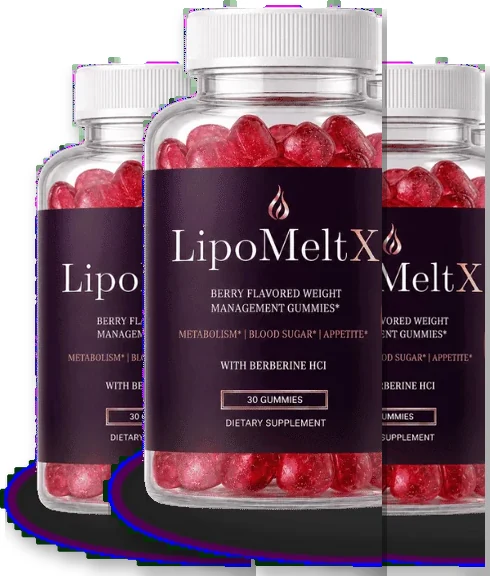
Want gentle daily berberine support instead of a needle?
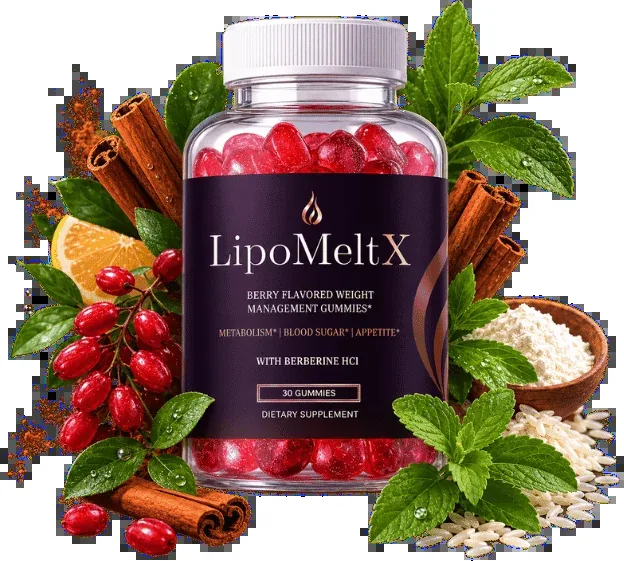
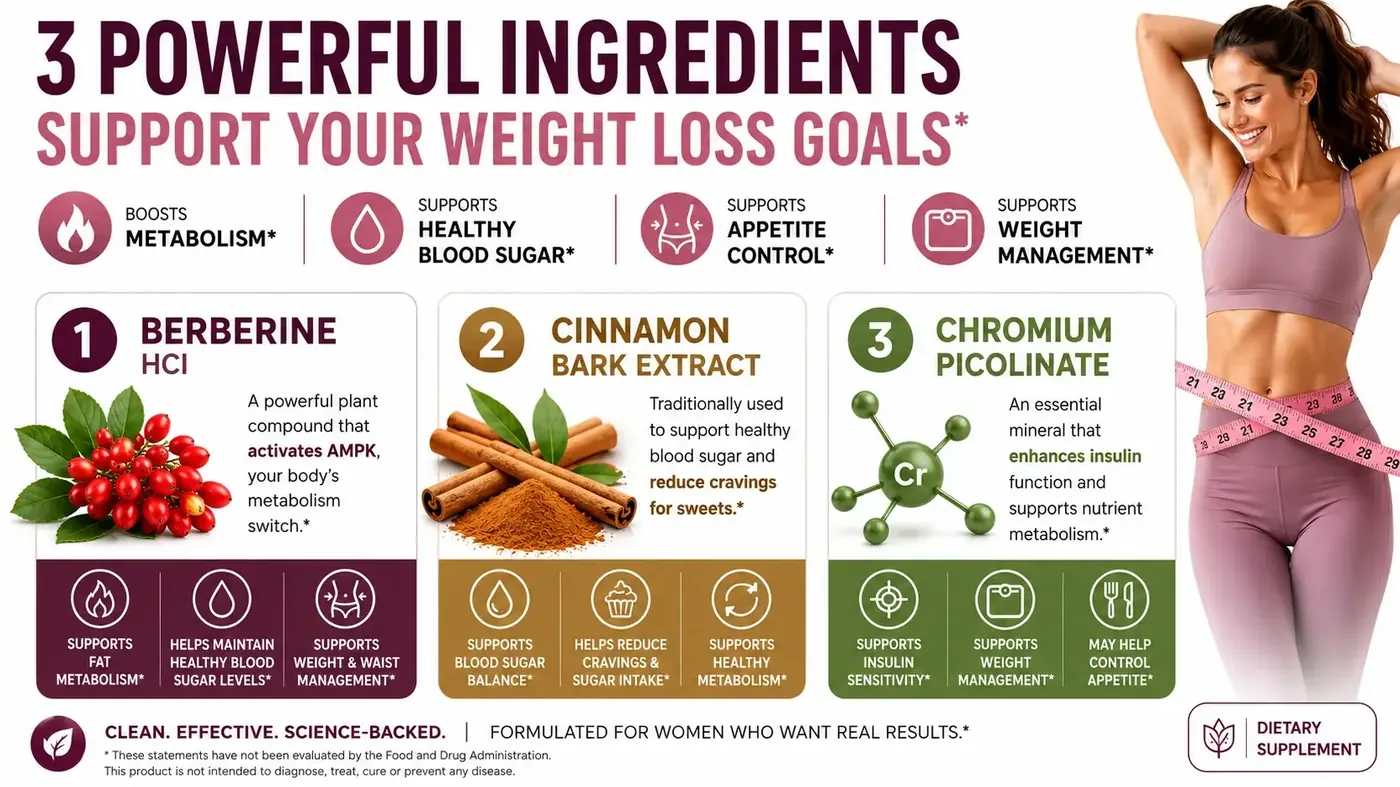
LipoMeltX is a once-daily berry gummy built around berberine HCl, cinnamon bark extract and chromium picolinate — the natural end of the GLP-1 conversation, not the pharmaceutical one. If a supportive daily routine is what you were actually searching for, the official store lists current stock, bundles and the money-back guarantee.
Check Availability on the Official StoreThree myths worth clearing up
Most disappointment with this category comes from believing one of three things that are not true. Clear them and the whole subject becomes easier to navigate.
Myth one: "natural" means it works the same, just more safely. Natural and gentle are not synonyms for equally effective. A compound that nudges your own hormone for a few minutes cannot produce the effect of a molecule engineered to occupy the receptor for a week. The safety profile is generally milder, yes — but so is the result, and pretending the two move together is the core deception in most "natural Ozempic" marketing.
Myth two: a supplement can replace medical weight-loss treatment. For people with clinical obesity or type 2 diabetes, GLP-1 medication is a serious medical tool prescribed for serious reasons. No gummy, capsule or tea replaces that, and any product implying it does is writing a cheque the evidence cannot cash. Natural boosters support a lifestyle; they do not treat a disease, and they are not intended to diagnose, treat, cure or prevent one.
Myth three: more berberine equals more results. Doubling the dose does not double the GLP-1 response, and it does raise the odds of the digestive upset berberine is known for. The ingredient has a sensible working range, and stacking megadoses is how a mild, useful supplement turns into a stomach-ache. If you are curious about how appetite ingredients behave at honest doses, the trial evidence behind garcinia cambogia and HCA for appetite is a useful companion read, because it shows the same pattern: real mechanism, modest magnitude.
Who natural GLP-1 support actually suits
None of this means natural boosters are pointless. It means their honest role is narrower than the advertising suggests, and there are people that role fits well.
They suit someone who is broadly healthy, wants a small extra nudge on appetite and blood-sugar handling while they do the real work with food and movement, and who is not a candidate for or does not want prescription medication. They suit someone looking to smooth out post-meal cravings rather than to lose forty pounds in a year. And they suit people who understand, going in, that a few pounds of assistance over a couple of months is a win in this category, not a letdown.
They do not suit anyone hoping to skip the diet, avoid the doctor and still get Ozempic-scale results. That person will be disappointed by every supplement on the market, because the ceiling is a property of the mechanism, not of any particular brand. LipoMeltX sits squarely in that first, honest lane: a daily berberine-based weight-management gummy designed as support for a routine, with no claim to match a prescription and no milligram figures the manufacturer has never actually published.
How to use a natural GLP-1 booster sensibly
If you decide a natural booster fits your situation, a few simple rules keep expectations and safety in the right place.
Anchor it to food, not to hope. Berberine and its cousins work best as one part of a plate that already has protein and fibre on it. The supplement amplifies a good meal; it does not rescue a bad one. If your diet is built on ultra-processed food, fix that first and the booster will have something to build on.
Give it weeks, not days. These effects are cumulative and quiet. Judge a natural GLP-1 booster over four to eight weeks of consistent daily use, keeping the rest of your routine steady so you can actually read the result. A single week tells you nothing.
Respect the interactions. Berberine can lower blood sugar, which is helpful in isolation and risky in combination. Stacked with diabetes medication, a GLP-1 injection, blood thinners or blood-pressure drugs, the effects can compound in ways that need a professional eye. This is not a caution to skip over.
Buy from a source you can hold accountable. The supplement aisle is uneven, and label transparency varies wildly. Prefer products that name their actives, and be wary of any that market on a GLP-1 comparison while hiding their doses.
Medical note: this article is general information, not medical advice. Dietary supplements are not intended to diagnose, treat, cure or prevent any disease, and no natural GLP-1 booster is a substitute for prescription treatment. Speak with a doctor or pharmacist before starting berberine or any GLP-1 supplement if you take medication, are pregnant or nursing, or have a medical condition — especially diabetes.
The bottom line
Natural GLP-1 boosters are a real thing built on real physiology, and berberine in particular has earned its place in the metabolic-support conversation. But the gap between nudging your own hormone and injecting a week-long synthetic agonist is enormous, and every honest comparison lands in the same place: supplements support, drugs treat. Choose a natural booster because you want a gentle daily assist for a routine you are already committed to — not because a headline promised you Ozempic in a gummy. Held to that expectation, the category can be genuinely useful. Held to any other, it will let you down.
Frequently asked questions
What are natural GLP-1 boosting supplements?
Natural GLP-1 boosters are dietary ingredients such as berberine, soluble fibre, certain plant polyphenols and protein-rich foods that may nudge the body's own GLP-1 signalling upward rather than injecting a drug. They act on the same appetite pathway as semaglutide but far more gently, and they are food-derived supplements, not medicines. They support appetite regulation and blood-sugar handling; they do not replicate a prescription.
Can berberine work like Ozempic?
No, not to the same degree. Some studies suggest berberine can raise GLP-1 activity by roughly a third and support a few pounds of loss over several months, which is real but small. Ozempic (semaglutide) is a potent injectable that suppresses appetite far more strongly and produces much larger results in trials. Berberine can support the pathway; it does not match the drug.
Are natural GLP-1 boosters as effective as prescriptions?
No. This is the honest headline: no supplement matches semaglutide or tirzepatide for appetite suppression or weight loss. Natural options may curb appetite by around a quarter, where a GLP-1 drug can approach half, and the weight change is usually measured in a few pounds rather than double digits. They are a gentle daily support to use alongside diet and movement, not a substitute for medical treatment.
Is it safe to combine GLP-1 supplements with medication?
Not without professional guidance. Berberine and similar ingredients can affect blood sugar, and stacking them with diabetes drugs, GLP-1 injections, blood thinners or blood-pressure medication can compound effects or interact. If you take any prescription, are pregnant or nursing, or have a medical condition, talk to a doctor or pharmacist before starting a natural GLP-1 booster.
Scientific references
- StatPearls / NCBI Bookshelf — Physiology, Glucagon-Like Peptide 1 (GLP-1)
- Modulation of glucagon-like peptide-1 release by berberine: in vivo and in vitro studies — Biochemical Pharmacology, 2010
- Effects of once-weekly semaglutide on appetite, energy intake, control of eating, food preference and body weight in subjects with obesity — Diabetes, Obesity and Metabolism, 2017
- NIH Office of Dietary Supplements — Dietary supplements for weight loss
- NIH NIDDK — Weight management and treatment overview
Related reading
Where to buy LipoMeltX gummies
If a gentle, once-daily berberine gummy is the natural GLP-1 support you were looking for, order from the official store rather than a marketplace listing — it is the only channel where the current LipoMeltX price, bundle options and money-back guarantee are honoured.
Go to the Official LipoMeltX Store